How Web3 Teams Can Make the Most of Conference Season
Side events, hallway conversations and content captured on the ground often matter more than a booth. Here’s how to plan for them.
Every year, the crypto calendar fills up with a run of major conferences, and teams spend weeks preparing booths, decks and merch. Yet the teams that leave with real momentum usually aren’t the ones with the biggest stand. They’re the ones who planned for everything that happens around the main stage: the side events, the hallway conversations and the content they bring home.
Start with one clear goal
A conference can serve many purposes: hiring, fundraising, partnerships, user growth or simply staying visible. Trying to do all of them at once spreads a small team thin. Pick the one outcome that matters most this season and plan your week around it. If the goal is partnerships, your calendar should be full of small meetings. If it’s users, you need demos and something people can try on the spot.
Side events are where the real conversations happen
Main-stage talks are great for visibility, but deals and friendships tend to start in smaller rooms. Breakfasts, workshops, dinners and co-working sessions give people time to talk without shouting over a crowd.
- Host something small and specific. A breakfast for twenty builders in your niche often beats a party for five hundred strangers.
- Co-host with teams you complement. Sharing costs and guest lists widens your reach and makes the invitation more compelling.
- Make registration easy. If people have to hunt through group chats to find the link, many of them won’t show up.
Capture content while you’re there
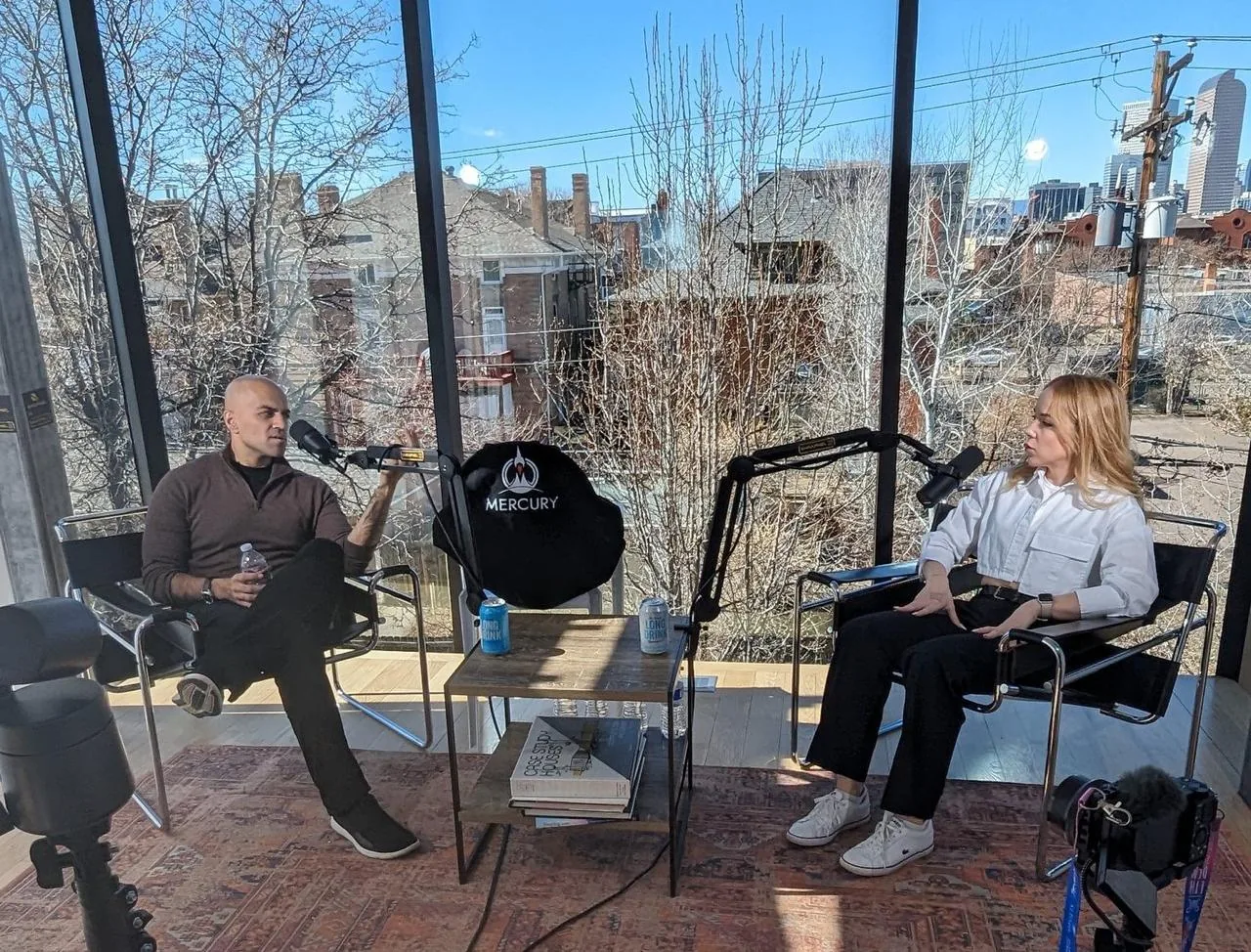
The people you want to reach are often in the same building for a few days. That makes conferences one of the best moments of the year to record interviews, short clips and photos. A planned schedule of conversations with founders, investors and partners can produce weeks of posts, threads and articles after everyone has gone home.
The key is preparation. Book guests before you arrive, find a quiet space with good light and sound, and keep each conversation focused enough to cut into short pieces later.
Follow up within a week
Momentum fades quickly once everyone flies home. Send personal notes to the people you met, share the recordings and photos with your guests so they can post them too, and turn the most interesting conversations into published content while they are still fresh.
Plan the whole week, not just the booth
Conference season rewards teams that treat it as a campaign rather than a single appearance. Decide on one goal, put your energy into the rooms where real conversations happen, and leave with a library of content that keeps working long after the event ends.